This article concerning the Army during the occupation is a shortened translation of the Danish published on this site to give English speaking readers an idea of the article.
The Salvation Army in Denmark 1940-45
When Denmark was occupied by Nazi Germany 9th April 1940 the population reacted with a feeling of shock, disbelief and uncertainty concerning the future, unprepared as they were. My mother, major Katrine Nielsen, was at that time stationed at Skagen at the top of Denmark as leader of the Army’s corps. During the years she repeatedly told about the occupation mentioning the sound of planes early morning at 5 o’clock the 9th April and the leaflets coming down in a poor Danish language. German troops crossed the Danish border to Germany, ships filled with soldiers were at ports different places in the country disguised as trading ships and aeroplanes in the air all over the country. From her stories it was clear that this morning was epoch-making and forever in her memory.
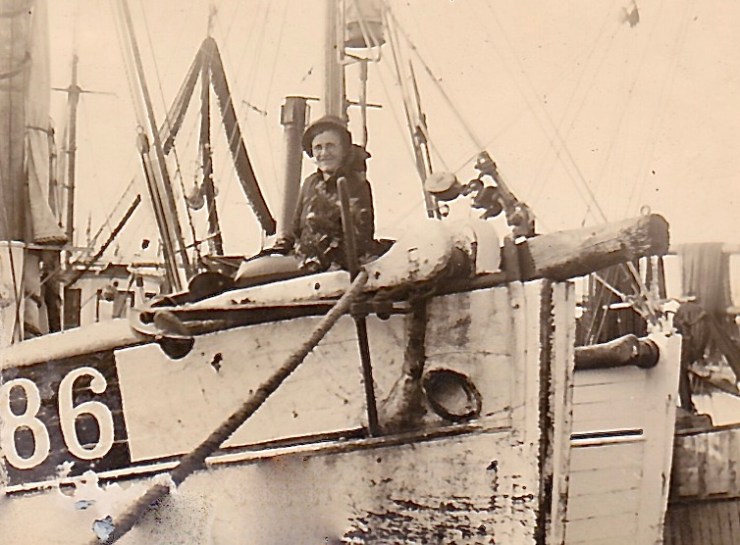
People tried to continue their daily life as much as it was possible with the all the restrictions that were imposed little by little. Army corps could continue their meetings with blackout curtains and activities fairly freely. They could travel in their district, mostly on bikes keeping contact with people. Smaller gatherings in the open air were possible, all the time considering the changing restrictions and of course taking curfew seriously when arranging schdules for the meetings and services. The meeting times differed according to rules that changed and curfew could be imposed within few hours. Many goods were rationed and some were absent like coffee and tea and substitues were found. Fuel costs were rising and it was difficult to get enough for heating the halls.
Army halls commandeered
A number of Army halls were commandeered by the German army and used in different ways, as billets for the soldiers, amousement locations or as in one corps, Kolding, as stable for their horses. The Germans commandeered the halls, but did pay a rent which they themselves decided. In other towns they occupied both the hall and the officer quarters, which normally would be placed above the hall. An officer, HC. Frederiksen, has in his written memoir described the use of the hall in the town of Thisted: ”The Germans had taken the meeting hall and organized it as post office, bedroom, sitting room, kitchen on the platform and sorting boxes in the hall…We had meetings in the YP hall, which the police also used during the night for travellers who arrived in the middle of the night during the curfew.” The halls were only taken for a period, not all the five years, but from one to three years from 1942 and onwards. The meetings and gatherings were held as house meetings in the homes of soldiers or in the officers’ quarters and some places in the YP halls. Other corps were given hospitality by Baptist or Methodist churches. Still the majority of corps were able to keep their halls and therefore could continue with quite an extensive program.
Having the officers’ quarters in the Army building with the Wehrmacht in the hall
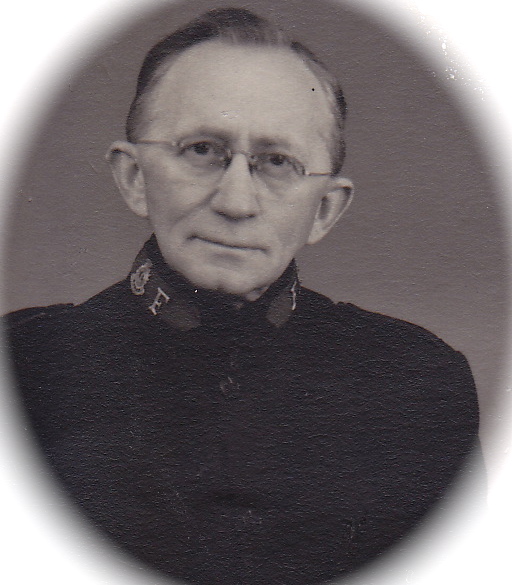
Major Gestur J. Arskog
My father, major Gestur J. Arskog, was the corps leader in the town of Skive from June 1941. From January 42 the hall was taken over by the occupying forces, but my dad and his three teenage children continued to live above the hall (his wife, Maria, died in the beginning of the war). In 1943 he got engaged to my mom. There was no telephone in the quarters, so telephone calls would take place at the post office. He was given notice that there was a call from my mom and rushed down the stairs to get there quickly. The German guard found this suspicious, so he was detained and questioned. He had to explain what he was doing and where he was going. He was set free again, but was more careful after this. He was a bit uncertain if his Icelandic citizenship would lead him into trouble, if they found out. Fortunately they didn’t ask for his passport, and as they didn’t understand Danish they would not hear his Icelandic accent. (British forces arrived on Iceland 10th May 1940 in order to prevent the German forces from occupying the country. In July USA assumed control according to an American – Icelandic Defense Treaty). As the example shows it was not unproblematic to live in the same house as the Wehmacht soldiers.
Different attitudes to the occupying forces
The attitude among soldiers and officers towards the Wehrmacht’s soldiers were expressed differently from a quiet accept to more visible anger and opposition. It can be illustrated by two different stories of German soldiers visiting an Army meeting. In the town of Hjørring a young German soldier came quietly into the meeting and sat down. At the time of testimonies he stood up and testified to the grace of God which had saved him and preserved him, also during the war. The corps accepted his presence and listened to his testimony. The other example is from one of the corps my mom was in charge of during the war where a German soldier came in and sat down in order to join the congregation. The emotions in the hall were stirred up and the agitation of the congregation as well as the soldiers was felt. My mom had to go down to the soldier and explain the situation and ask him to leave. Her German was fluent because of her upbringing in southern Denmark, so he was able to understand what she said. He left the hall. My mom felt split between the understandable agitation in the congregation and the wish the include a young soldier who was seeking Christian fellowship.
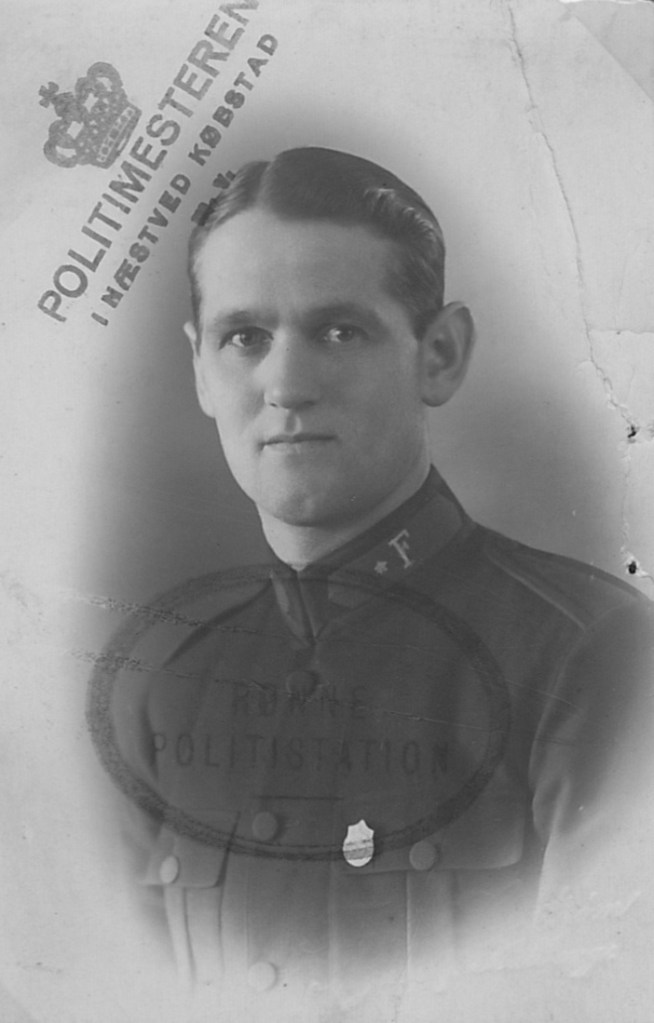
Major Viggo Lydholm
There are very little in the archives concerning resistance against the occupation from soldiers and officers, apart from correspondance concerning the corps leader in Gartnergade corps, Captain Jens Andersen, who left the corps in a hurry and went underground in December 1944. The correspondance from THQ reveal that the leadership felt that it shouldn’t be neccesary, but they would not have any knowledge if officers were part of the resistance movement. We do have knowledge of my father in law, major Viggo Lydholm who was divisional commander during the war. He was free to travel in his division by train, but it was very often weary travels with long nights waiting at the stations for a train. During the last years of the war sabotage on trains and rails was frequent. Because he could travel freely everywhere he took upon himself to be courier for the underground paper from the resistance movement. It was dangerous and would be punished severely if discovered. The family had once a visit from Gestapo in the officers’ quarters, but he managed to convince them about his innocence and his work as a Salvation Army officer. These years with all the travels took its toll on his health and he died in May 1947, only 43 years of age. The only evidens of his involvement in the resistance which he left behind was his armlet from the resistance movement and some ammunition.
Liberation afte five years of occupation
The message on the radio from BBC in the evening of 4th May announcing that the German troops had surrendered in Holland. Denmark, Northern Germany from 8am 5th of May, released great enthusiasm in the population. The blackout curtains were teared down and burned in bonfires on the streets, burning candles were placed in the windows and people gathered in the streets embracing each other, friends and strangers alike. My mom has written about the experience. She and my dad had travelled to a little town, Bjerringbro by train to collect donations for the Army’s work, visiting all homes in the town. They vaited most of the day on the 3rd for the train and arrived at 5pm, but started collecting till 9pm. Next morning they continued and could feel some exitement and rumours in the air. Around 9pm my mon came into a home, where the family asked her to stay to hear the extra broadcast from London. Later when she and my dad walked the streets of the little town they experienced the joy and embraces from people. They had promised to collect some clothes for the Army in a house, so they went there and were invited to join the family for celebration and coffee. The next morning they had to wait for the train to return to Viborg, where they were stationed, the trains couldn’t run ’because of joy’. Twelve o’clock a train was scheduled to leave and they entered the train, but soon after all passengers were called out and invited into the office of the station master. He wanted all of them to hear the messge of King Christian and the Prime Minister. When they arrived in Viborg the whole town celebrated the liberation, schools were chancelled and only a few worked that day. The great experience was to see Dannebrog, the Danish flag, floating everywhere for the first time in 5 years.

Refugees in Denmark towards the end of the war and the first years of the post-war era
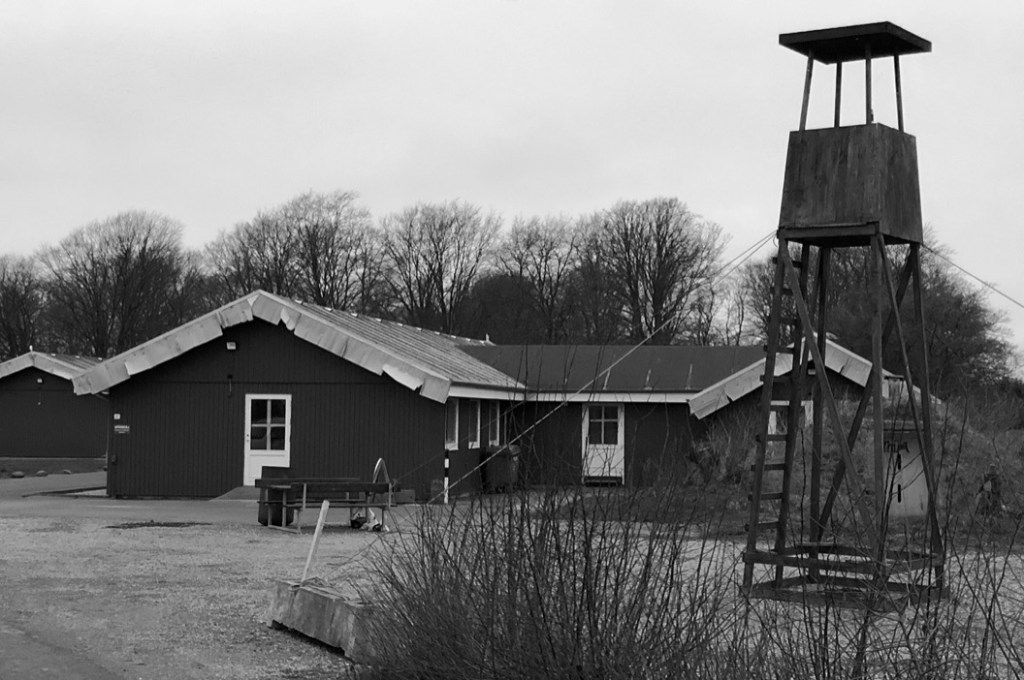
One of the buildings at the Baggersminde Camp
During the last three months of the war 250.000 refugees from Germany crossed the border to Denmark. They were sent to detentions camps different places in Denmark where the conditions were poor and several thousand died. The German Wehmacht commandeered the Army summer camp, Baggersminde, outside Copenhagen already from 1943, and after the liberation it became a refugee camp. The Army got it back again in 1947. The refugee situation caused the Army to engage itself in donation of clothes which the Army in USA and Australia donated. Some corps arranged activities and meetings for children in the camps.
A Slum officer, major Anni Nissen, who originated from Southern Jutland and spoke German, was asked to escort German Children through Denmark to Sweden. The children needed more calories than they could get in a devastated Germany. She told that it was a problem when they came on board the ferry between the isles and the kids saw the Danish open sandwiches. If they had too much of this they would be sick as they were not used to food of such a substance.
Compared to other European countries Denmark was fairly unharmed and that applied to the Army as well. The resistance grew especially after August 1943 where the Danish government resigned in refusal to German demands and sabotage became more frequent. The Nazi occupation forces introduced capital punishment and a number of people were executed, but there were not any Salvationists among these.

The Salvation Army Hall at Nexø Bornholm destroyed
While most of Denmark celebrated the liberation, Bornholm (a little island in the Baltic Sea) was bombed by the Russian Army. The German commandant would not surrrender to the Russians, only to the British Army that had liberated Denmark. The two bigger towns, Rønne and Nexø, were bombed and the Army’s building in Nexø was destroyed. When the rest of the country realised the serious situation, solidarity and support were given. All Army corps took up special collections for Bornholm. The Russian Army did not leave Bornhold until April 1946.There was a great renovation job for the Army when the different corps got their halls back – they were not in good shape, but these challenges were minor in comparison to the joy of being free.
Featured image: Ribe Corps in 1942 just before the occupying forces commandeered the building.
 Salvationist viewpoints
Very interesting,Karl. I may have missed this, but what happened to the officer who joined the Resistance ? I’m sure the position of the officers, like the other church clergy you mentioned, was rather ambivalent. I often wonder what I would have done. Blessings Reg
On Sat, 16 May 2020, 19:11 Salvationist viewpoints, wrote:
> lydholmwritings posted: ” This article concerning the Army during the > occupation is a shortened translation of the Danish published on this site > to give English speaking readers an idea of the article. The Salvation > Army in Denmark 1940-45 When Denmark was occupied by Nazi” >
LikeLike
Sorry Reg that I have not answered. The officer who went ‘undeground’ returned to his officership after the war. I have only been able to follow him to mid fifties where he apparently concluded his officership. What happened to him later in life I don’t know.
The whole situation with the government trying to run the country and keep Danish laws valid was difficult and inn August 1943 it wasn’t possible any longer, but at least they managed for well over three years where they could prohibit capital punishment and protect the Jewish population. The last nearly two years without Danish government were difficult, people from the resistance were executed and in October 43 the ‘hunt’ for the Jewish population started. It seemed that a great deal of the Danish population acted like a machine without real planning to protect and get the Jews overt to neutral Sweden. More than 90% of the 7000 Jews were saved and the few hundreds that were sent to concentration camps were followed by letters and foodparcels, so the majority returned to Denmark from the camps. Most of their homes were ready for them as local authorities and neighbors had payed the rent and protected their property, but not all homes. There were Danish Nezis and people who cooperated with the occupying forces. The churches had the same dilemmas as the rest, but became more and more open in their message focussing on Christian values and human dignity especially after August 43 .
Greeting and wished for a fine summer!
Gudrun
LikeLike